
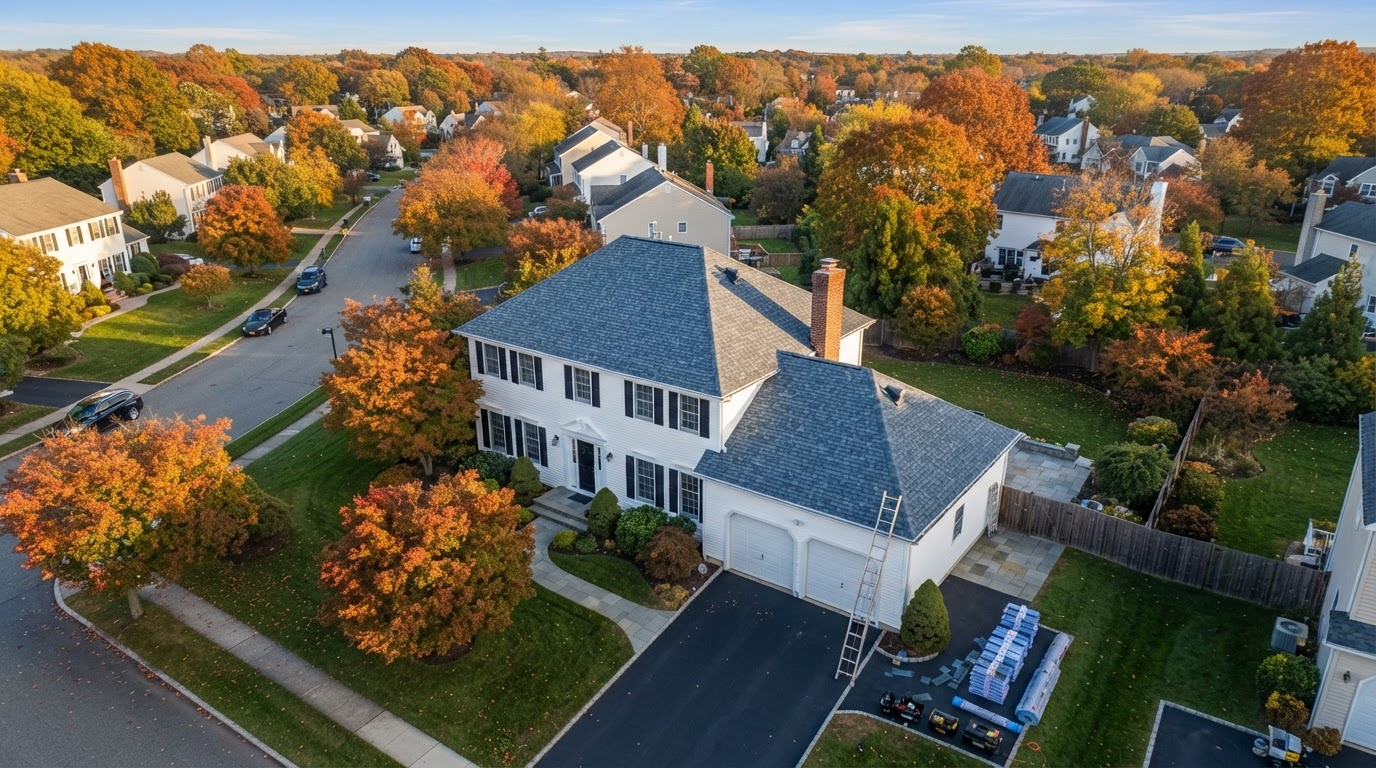
How Much Does a New Roof Cost in Nassau County, NY?
The complete 2026 homeowner's guide to roof replacement costs, materials, permits, hidden expenses, and how to find a qualified local roofing contractor.
Your roof is one of the most important parts of your home. It protects your family, belongings, insulation, walls, and the structure underneath. But when it's time to replace it, one question usually comes first: how much is a new roof going to cost?
If you live in Nassau County, the answer depends on much more than the size of your house. A modest ranch in Levittown, a Cape Cod in Hicksville, a colonial in Garden City, and a waterfront home in Long Beach can have dramatically different roofing requirements. The roof's shape, materials, accessibility, existing condition, and even the number of old shingle layers can affect the final price.
This guide will help you understand what you're paying for, how to compare estimates, where unexpected expenses arise, and how to find a qualified local roofing contractor.
1. How Much Does Roof Replacement Cost in Nassau County in 2026?
For preliminary budgeting, Nassau County homeowners considering a standard asphalt shingle roof can use approximately $6–$12 per square foot of actual roof surface as an illustrative planning range for a relatively straightforward replacement.
Some projects will cost less, while complicated roofs, premium materials, substantial decking repairs, or difficult access can push costs considerably higher.
Estimated Asphalt Roof Replacement Costs
| Actual roof area | Illustrative project budget |
|---|---|
| 1,000 sq. ft. | $6,000–$12,000 |
| 1,500 sq. ft. | $9,000–$18,000 |
| 2,000 sq. ft. | $12,000–$24,000 |
| 2,500 sq. ft. | $15,000–$30,000 |
| 3,000 sq. ft. | $18,000–$36,000 |
| 3,500 sq. ft. | $21,000–$42,000 |
These are illustrative budgeting ranges based on 2026 regional and national cost information, not verified Nassau County contractor averages or binding quotes. They assume asphalt roofing and ordinary replacement conditions.
In other words, a homeowner budgeting $15,000 for a replacement might be in the right neighborhood for one roof but significantly underbudgeted for another. The most reliable way to establish your actual cost is to obtain several detailed estimates from appropriately licensed and insured roofing contractors.
2. Your Home's Square Footage Isn't Your Roof's Square Footage
This is one of the most common misunderstandings when homeowners research roofing prices. A 2,000-square-foot house doesn't necessarily have a 2,000-square-foot roof.
Consider two homes: a two-story colonial with 2,000 square feet of living space split between two floors (its roof covers a smaller footprint), versus a single-story ranch with the same 2,000 square feet on one floor (its roof may cover a much larger footprint). Even though both homes have identical living space, their roofing estimates may differ substantially.
Roofers also account for roof pitch (steepness), gables, valleys, dormers, chimneys, skylights, overhangs, attached garages, waste allowances, and accessibility.
What is a roofing square? One roofing square equals 100 square feet of roof surface. A roof measuring 2,000 square feet contains 20 roofing squares before additional material allowances. Understanding this terminology makes it easier to compare estimates.
3. Which Roofing Material Is Best for Long Island Homes?
Materials affect appearance, durability, maintenance, and cost.
Asphalt Shingles
Among the most common roofing choices for Long Island residential properties. They offer relatively affordable installation, familiar appearance, and a broad selection of colors and styles. Architectural asphalt shingles are generally thicker and more dimensional than traditional three-tab shingles, and the additional material cost may be reasonable relative to the project's overall labor expense. Actual service life depends on the product, installation quality, ventilation, exposure, and maintenance.
Metal Roofing
An increasingly popular alternative for homeowners interested in durability and a distinctive appearance. Potential advantages include long service life, resistance to certain weather conditions, and relatively low maintenance. However, installation can cost significantly more than asphalt roofing. Product choice matters: standing-seam metal systems and basic exposed-fastener panels are not interchangeable.
Slate Roofing
Slate creates a distinctive, often historic appearance found on some older and higher-end properties throughout Nassau County. Quality slate can last for generations, but both the materials and specialized installation are expensive, and the existing structure must be suitable for the weight. If you're replacing an older slate roof, consult a contractor experienced with slate before assuming a complete replacement is necessary.
Synthetic Slate and Composite Roofing
Composite products can imitate slate, wood shake, or other premium materials. Depending on the product, they may reduce weight or maintenance requirements, but pricing, warranties, fire ratings, and installation requirements vary significantly between manufacturers.
Flat and Low-Slope Roofs
Some Nassau County homes, extensions, porches, and attached structures have flat or low-slope roof areas that may require specialized membrane systems (EPDM, TPO, or modified bitumen) rather than conventional asphalt shingles. A low-slope roof should not automatically be priced or specified like a standard pitched shingle roof. Ask your contractor which roofing assembly is appropriate for its slope and drainage.
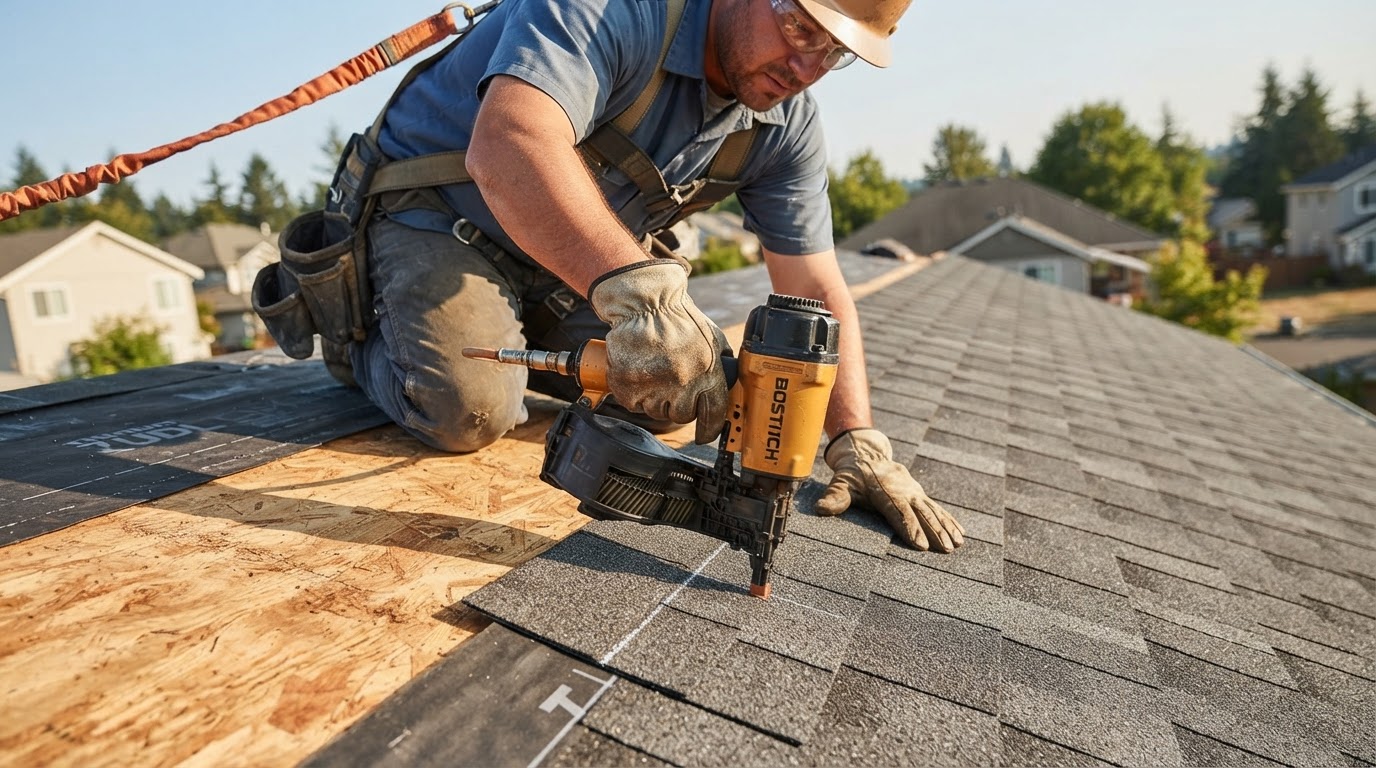
4. Seven Factors That Can Increase Your Roofing Estimate
Two contractors may inspect the same house and provide very different prices. Before assuming one is overpriced, understand what their proposals include.
- 1
Removing Existing Roofing
A complete tear-off involves removing old shingles and associated materials before installing the new roof. This increases labor and disposal costs but allows the contractor to inspect the underlying roof deck.
- 2
Damaged Roof Decking
Once old materials are removed, contractors may discover plywood or other sheathing damaged by moisture or deterioration. Those areas must be addressed before the new roofing system is installed.
- 3
Roof Pitch
Steep roofs require more extensive fall protection, careful material handling, and additional labor.
- 4
Chimneys, Skylights, and Valleys
These features create transitions where water can enter if flashing and waterproofing aren't installed correctly. Additional roof features mean additional detail work.
- 5
Accessibility
Closely spaced houses, limited driveway access, mature landscaping, and difficult equipment placement can affect installation costs.
- 6
Ventilation
Poor attic ventilation can contribute to moisture problems and excessive heat buildup. A proper roofing assessment should consider ventilation alongside the roof covering.
- 7
Material Quality
Not every architectural shingle is identical. Compare the manufacturer's product, warranty requirements, wind rating, underlayment, flashing, and accessories — not simply the color of the shingles.
5. A Realistic Roof Replacement Budget: Example Project
Let's imagine a Nassau County homeowner has a moderately complex asphalt roof measuring approximately 2,000 square feet. The existing shingles need removal, but there is no major structural damage. A hypothetical contractor proposal might look like this:
| Old roof tear-off and disposal | $2,200 |
| Underlayment and waterproofing materials | $1,500 |
| Architectural shingles and accessories | $5,000 |
| Installation labor | $5,500 |
| Flashing, ventilation, and detail work | $1,200 |
| Allowance for minor decking repairs | $600 |
| Example total | $16,000 |
Important: This is a fictional example created to illustrate how a roofing estimate can be structured. It is not an actual contractor quote, a market survey, or a guarantee of what a Nassau County roof should cost. The point isn't that your roof should cost $16,000 — it's that homeowners should understand what the price includes.
6. Repair or Replace? How to Make the Right Decision
A roof leak doesn't automatically mean you need an entirely new roof. Sometimes, a localized repair is sufficient.
Repair may make sense when
- Damage is isolated to a small area
- The roof is relatively young
- Most shingles remain in good condition
- A flashing or sealing issue can be corrected
- The roof hasn't experienced widespread deterioration
Replacement may make sense when
- Leaks occur in multiple locations
- Shingles are consistently curling, cracking, or deteriorating
- Significant portions of the roof are damaged
- Repairs have become frequent and expensive
- The roofing system is near the end of its expected useful life
The age of the roof matters, but it isn't the only consideration. A poorly installed 12-year-old roof may have more problems than a properly maintained 20-year-old roof. Ask a qualified professional to explain whether the problem is isolated or widespread. If a roofer recommends complete replacement, ask what specific conditions make repair impractical — a reputable contractor should be able to explain the reasoning and show supporting photographs.
7. Tear-Off vs. Roof Overlay: Which Is Better?
Some homeowners ask whether they can save money by installing new shingles over their existing roof. This is known as an overlay. While overlays can reduce removal costs, they aren't suitable for every roof and may be restricted by applicable codes, roof conditions, material specifications, or manufacturer requirements.
Advantages of a Complete Tear-Off
- Allows inspection of the roof decking
- Helps identify hidden moisture damage
- Makes it easier to correct flashing problems
- Avoids adding another layer of roofing weight
- Provides a clean starting surface for the new system
An overlay can conceal existing problems and complicate future replacement. Before accepting an overlay proposal, ask the contractor to explain whether the method is permitted, technically appropriate, and covered by the proposed warranty. For homeowners already experiencing recurring leaks, a full tear-off may be particularly worth considering.
8. Do You Need a Permit to Replace a Roof in Nassau County?
Permit requirements depend on the municipality, project scope, and type of work. Nassau County includes the Town of Hempstead, Town of North Hempstead, Town of Oyster Bay, two cities, and numerous incorporated villages with their own building departments and rules. That means a homeowner in Garden City may face different administrative requirements from someone in Levittown or Massapequa.
Never assume that a permit is unnecessary simply because you're replacing an existing roof without changing its appearance.
Before signing a contract, ask:
- Does this project require a building permit?
- Which building department has jurisdiction over my address?
- Who is responsible for submitting the application?
- Are inspections required?
- Are permit fees included in the proposal?
- Will structural changes require additional approvals?
Your contractor should be familiar with local requirements, but homeowners can also contact their town, city, or village building department directly. Useful starting points include the official building departments for the Towns of Hempstead, North Hempstead, and Oyster Bay.
9. How to Verify a Roofing Contractor in Nassau County
A new roof represents a major investment. Before paying a deposit, verify that the company is qualified to perform the work. Nassau County's Department of Consumer Affairs administers home improvement business licensing, which includes roofing work. A professional-looking website, many online reviews, or years of advertising do not substitute for a valid license.
Your Contractor Verification Checklist
- Check the license. Request the company's applicable Nassau County home improvement license information and verify its status with the issuing authority.
- Verify insurance. Ask for appropriate liability coverage and workers' compensation documentation or applicable exemption documentation. Confirm coverage is current.
- Request references. Ideally, speak with homeowners who had similar roofing projects completed.
- Review project photographs. Ask to see examples of completed roofs, especially homes with similar designs.
- Read the written contract. Verify the material specifications, scope, price, payment schedule, timeline, and warranties.
- Understand subcontracting. If another crew will perform the installation, ask who is responsible for the work and whether the required licensing and insurance arrangements are in place.
Never select a roofer based solely on the lowest number. A contractor who leaves out flashing replacement, waterproofing, cleanup, or necessary repairs may initially appear cheaper. Those omissions can become expensive later.
10. The 12 Questions to Ask Before Signing a Roofing Contract
Save this checklist and use it when speaking with prospective contractors.
- 1Are you currently licensed to perform roofing work in Nassau County?
- 2Can you provide proof of appropriate insurance?
- 3What exact roofing material, manufacturer, and product line are included?
- 4Will you remove the existing roofing materials completely?
- 5How will you handle damaged plywood or roof decking?
- 6Are new flashing and waterproofing components included?
- 7What ventilation improvements, if any, are recommended?
- 8Who obtains required permits and arranges inspections?
- 9How long will the installation take?
- 10How will you protect landscaping and clean up nails and debris?
- 11What workmanship warranty do you provide, and what does the manufacturer cover?
- 12What is the payment schedule, and what circumstances could change the final price?
Bonus question: Who do I call if a leak appears after the project is completed? The answer reveals how the company handles accountability after installation.
11. What Happens During a Roof Replacement?
Although individual projects vary, most residential roof replacements follow a recognizable sequence:
- 1
Inspection and measurements
The contractor examines the roof, evaluates its condition, and prepares an estimate.
- 2
Contract, materials, and permits
You finalize the scope, choose materials, and complete any required approvals before work begins.
- 3
Property protection
The crew protects vulnerable landscaping and prepares the site for debris removal.
- 4
Old roofing removal
Existing roofing materials are removed when a complete tear-off is specified.
- 5
Deck inspection and repairs
The crew checks exposed decking and addresses damaged sections under the agreed contract terms.
- 6
Underlayment and waterproofing
Protective layers and required details are installed according to the selected roofing system.
- 7
Shingle installation
Starter materials, shingles, flashing, and ridge components are installed.
- 8
Ventilation and finishing
The contractor completes the system's required ventilation and finishing details.
- 9
Cleanup and final inspection
The crew removes debris, performs a nail sweep, and checks the completed installation. Any required municipal inspections must also be completed.
A straightforward asphalt roof might be installed in a few working days, but complex projects, weather, structural repairs, permits, and material availability can extend the timeline.
12. The Nassau County Factor: Weather and Coastal Exposure
Coastal Winds
Homes near the South Shore or other exposed locations may experience stronger wind exposure than more sheltered properties. Ask about the selected roof covering's wind rating and the manufacturer's required installation method. A shingle's advertised wind rating is meaningful only when the complete system is installed correctly.
Heavy Rain and Wind-Driven Water
Strong storms can expose weaknesses around flashing, roof penetrations, valleys, and other transitions. Proper installation of these details is as important as the visible shingles.
Winter Conditions
Freeze-thaw cycles and ice buildup can create problems where roofs have drainage, insulation, or ventilation issues. Depending on applicable code and roof design, additional ice-barrier protection may be required or recommended.
Salt-Air Exposure
Properties close to the ocean or bays may require special attention to compatible corrosion-resistant fasteners, flashing, and other metal components. Ask your roofing contractor how the proposed materials suit your home's location.
13. Five Expensive Roof Replacement Mistakes to Avoid
Choosing the cheapest estimate automatically
Compare scope, materials, qualifications, and warranties before comparing the bottom-line price.
Ignoring existing leaks
Water can travel through roof assemblies and damage insulation, ceilings, and framing. Delaying an investigation may increase the eventual repair cost.
Not budgeting for hidden damage
Even a careful inspection may not reveal every problem until existing roofing has been removed. A planning allowance of roughly 10–15% can be sensible for projects with uncertain conditions, though it isn't a prediction of actual charges.
Accepting vague contracts
Descriptions like 'install new roof' leave too many unanswered questions. Insist on written details about the roofing system and installation work.
Focusing only on the shingle warranty
Manufacturer material warranties and contractor workmanship warranties are different. Understand what each covers, who handles claims, and whether specific registration or installation requirements apply.
14. When Is the Best Time to Replace a Roof on Long Island?
Spring, summer, and fall are common roofing seasons. However, the best time isn't always determined by the calendar. A damaged roof that is allowing water into your home should be inspected promptly, regardless of season.
For a planned replacement, scheduling ahead may provide better flexibility when selecting contractors and materials. Weather matters during installation — temperature, precipitation, wind, and surface conditions can affect when specific materials can be properly installed. A professional contractor should follow manufacturer installation requirements rather than rushing a job in unsuitable conditions.
If your roof is approaching the end of its service life, arranging an inspection before the next major storm can help you plan without emergency pressure.
15. Frequently Asked Questions About Nassau County Roof Replacement
How much does a new roof cost for a 2,000-square-foot house?
It depends on the home's footprint and actual roof surface area. A 2,000-square-foot house may require considerably less or more than 2,000 square feet of roofing. For illustration, a 2,000-square-foot roof surface using standard asphalt shingles might fit a preliminary $12,000–$24,000 planning range under ordinary conditions, though actual bids can fall outside that range.
How long does an asphalt shingle roof last?
Many conventional asphalt roofing systems are associated with service lives of roughly 20–30 years, but actual performance varies with shingle type, installation, climate, ventilation, and maintenance. Some premium products carry longer warranties, which shouldn't be confused with a guaranteed service life.
Can I stay home during roof replacement?
Usually, homeowners can remain in their homes during a conventional roof replacement, although noise, vibration, and temporary access restrictions can be disruptive. Discuss safety arrangements with the contractor, especially if you have children, pets, or someone working from home.
Will homeowners insurance pay for a new roof?
Insurance may cover qualifying sudden damage caused by a covered event, subject to the policy's exclusions, deductibles, and settlement terms. Ordinary aging, deterioration, and lack of maintenance are generally treated differently from sudden covered damage. Review your policy and ask your insurer before assuming replacement costs will be reimbursed.
Does a new roof increase home value?
A properly installed new roof may improve buyer confidence, curb appeal, and the perceived condition of a property. However, you shouldn't assume that every dollar spent on a roof replacement will be recovered at resale.
Do I have to replace my gutters when replacing the roof?
Not necessarily. If your gutters are in good condition, they may be reusable. However, the contractor should examine their attachment, drainage, and compatibility with the new roofing details.
Should I get three roofing estimates?
Getting at least three detailed estimates is a practical starting point. It helps you understand available materials, identify differences in scope, and recognize prices that warrant additional questions.
What if a contractor finds rotted wood after removing the shingles?
Ask the contractor to document the damage and follow the price and authorization process specified in your contract before completing additional chargeable work. A clear written change-order procedure matters.
16. Your Roof Replacement Action Plan
Before scheduling a new roof, work through this simple plan:
- 1Determine whether you need a repair, replacement, or professional inspection.
- 2Establish a preliminary budget based on roof size and roofing material.
- 3Research qualified roofing contractors serving your Nassau County community.
- 4Request at least three detailed written estimates.
- 5Compare materials, installation methods, warranties, permits, and payment terms.
- 6Verify contractor credentials and insurance.
- 7Finalize the contract, permits, and project schedule before work begins.
- 8Keep copies of the contract, invoices, permits, warranties, and completed-project documentation.
A new roof is a major expense, but careful preparation can reduce uncertainty and help protect your investment.
Editorial sources & notes
The article's cost ranges are illustrative and based on 2026 regional and national cost information — they are not verified Nassau County contractor averages or binding quotes. The local licensing and permitting information is grounded in official resources, including Nassau County Consumer Affairs home improvement licensing and the building departments for the Towns of Hempstead, North Hempstead, and Oyster Bay.
Find Roofing Contractors in Nassau County
Whether you're dealing with a sudden roof leak, aging shingles, storm damage, or planning a complete roof replacement, finding the right professional is an important first step. NassauPros helps homeowners discover local businesses serving Nassau County — explore roofing professionals serving Levittown, Hicksville, Massapequa, Garden City, Hempstead, Freeport, Bellmore, East Meadow, Farmingdale, Rockville Centre, Long Beach, and surrounding areas.
Browse Roofing Pros in Nassau CountyInclusion in the directory does not automatically mean a contractor's licensing, insurance, qualifications, or work has been independently verified or endorsed. Homeowners should conduct their own due diligence before hiring.
Related guides
How to Choose a Reliable Contractor in Nassau County →A broader look at the entire hiring process — from defining your project to reading reviews and getting estimates before you hire.
12 Questions to Ask a Contractor Before Hiring Them →A printable checklist of questions covering licensing, insurance, estimates, permits, payments, warranties, and communication.